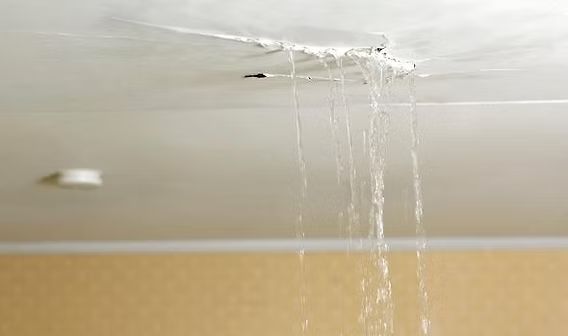
Roof leakages are one of the most common and frustrating problems faced by homeowners in Ghana. A leaking roof can damage ceilings, walls, furniture, electrical wiring, and even weaken the structure of a building if left unattended.
Many people assume leaks mean the roofing sheets are bad, but in reality, most roofing sheet leaks are caused by poor installation, wrong accessories, or lack of maintenance, not the sheets themselves.
This guide explains why roofing sheets leak in Ghana, how to identify the real cause, and the correct long-term solutions that actually work.
Read also: Roofing Sheets Price in Ghana: Affordable Roofing Services!
Why Roofing Sheets Leak in Ghana
Poor Roofing Installation
This is the number one cause of roof leakages. Even high-quality roofing sheets will leak if installed incorrectly.
Common installation mistakes include:
• Incorrect sheet overlaps
• Poor alignment of roofing sheets
• Wrong roof slope or pitch
• Improper fixing of ridge caps and flashings
• Using unskilled installers to reduce cost
Once water finds a weak point, it will flow into the ceiling during rainfall.
Damaged or Low-Quality Roofing Nails and Screws
Roofing nails or screws with poor rubber washers allow water to pass through nail holes.
Leakages occur when:
• Rubber washers crack or harden
• Nails are over-driven and tear the sheet
• Rusted fasteners create gaps
• Ordinary nails are used instead of roofing screws
Fastener failure is a silent but serious cause of leaks.
Incorrect Sheet Overlaps
Roofing sheets must overlap correctly to prevent rainwater from flowing backward under the sheets.
Leaks occur when:
• Overlaps are too short
• Sheets are installed against wind direction
• Side laps are not properly sealed
• Roof slope is too low for the sheet type
Heavy rainfall and strong winds in Ghana make correct overlaps very important.
Poor Ridge Cap, Valley, and Flashing Installation
Water often enters through ridges, valleys, and wall junctions.
Leakage happens when:
• Ridge caps are not properly sealed
• Valleys trap water due to poor slope
• Flashings are poorly fitted around walls and chimneys
• Sealants dry out or crack over time
These areas require extra attention during installation.
Rust and Corrosion
Rust creates holes in roofing sheets over time.
Common causes of rust include:
• Low-quality roofing sheets
• Damaged protective coating
• Coastal salt exposure
• Poor drainage and water ponding
Once rust starts, leaks follow quickly.
Blocked Gutters and Poor Drainage
When gutters are blocked, water backs up and flows under the roofing sheets.
This leads to:
• Water entering roof edges
• Soaked fascia boards
• Ceiling stains and damp walls
Poor drainage is often overlooked but very dangerous.
How to Fix Roofing Sheet Leakages
Identify the Exact Source of the Leak
Never guess. Water may enter from one point and appear somewhere else.
Fix involves:
• Inspecting the roof during or after rainfall
• Checking nail points, overlaps, ridges, and valleys
• Looking for rust spots and damaged sheets
Accurate diagnosis saves time and money.
Replace Faulty Nails and Screws
This is often the simplest and most effective solution.
• Replace rusted or damaged fasteners
• Use roofing screws with neoprene washers
• Tighten loose fasteners carefully
• Avoid over-tightening
This alone fixes many roof leaks.
Correct Overlaps and Sheet Alignment
Where overlaps are insufficient, corrective work is required.
• Increase sheet overlaps where possible
• Re-align wrongly placed sheets
• Install sheets facing correct wind direction
Proper alignment prevents wind-driven rain leaks.
Repair or Replace Damaged Sheets
If sheets are cracked, punctured, or heavily rusted, repairs may not last.
• Patch small holes temporarily
• Replace badly damaged sheets
• Treat minor rust before it spreads
Replacement is often cheaper than repeated repairs.
Fix Ridge Caps, Valleys, and Flashings
These areas should be properly sealed and aligned.
• Reinstall loose ridge caps
• Reseal flashing joints
• Improve valley slope and drainage
Professional workmanship is important here.
Clean and Improve Drainage
• Clear blocked gutters and downpipes
• Ensure proper roof slope
• Fix sagging trusses if necessary
Good drainage prevents future leaks.
How to Prevent Roofing Sheet Leaks in the Future
• Use quality roofing sheets and accessories
• Hire experienced roofing installers
• Use correct roofing screws and washers
• Inspect your roof at least twice a year
• Address small issues early
Prevention is always cheaper than repairs.
Also: 10 Common Roofing Mistakes in Ghana and How to Avoid Them
When to Call a Professional Roofer
You should call a professional when:
• Leaks persist after basic fixes
• Multiple leak points exist
• Structural damage is suspected
• The roof is old and failing
Professional assessment prevents further damage.
Perfect 👍
Below are two clean, high-value assets you can drop straight into Ghanaresidential.com: a Roof Leak Inspection Checklist and a Roofing FAQ section written to convert visitors and support SEO.
Roof Leak Inspection Checklist (Ghana Homes & Buildings)
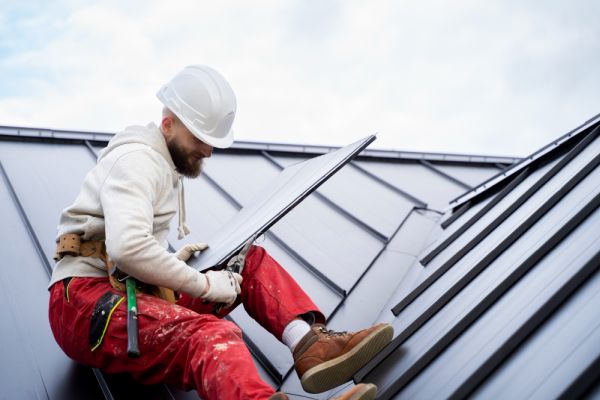
Use this checklist to identify roof leak problems early before they cause ceiling damage, mold, or structural issues. Suitable for aluminium, aluzinc, corrugated, long-span, stone-coated, and industrial roofing sheets.
Indoor Inspection
• Check ceilings for brown stains, peeling paint, or sagging areas
• Look for damp walls near roof edges and corners
• Inspect attic or roof space for dripping water during rainfall
• Smell for mold or musty odors, which indicate hidden moisture
Roof Surface Inspection
• Check for loose, lifted, or missing roofing sheets
• Look for visible holes, cracks, or corrosion
• Inspect sheet overlaps for gaps or misalignment
• Confirm sheets face the correct wind direction
Fasteners & Fixings
• Inspect roofing nails or screws for rust
• Check rubber washers for cracking or hardening
• Ensure screws are not over-tightened or pulled out
• Replace missing or broken fasteners immediately
Ridge Caps, Valleys & Flashings
• Inspect ridge caps for loose fittings or gaps
• Check valleys for debris buildup or water ponding
• Inspect wall flashings for cracks or sealant failure
• Ensure all joints are properly sealed
Gutters & Drainage
• Clear leaves and debris from gutters
• Ensure downpipes are not blocked
• Check for water overflow during rainfall
• Confirm proper roof slope for effective drainage
Coastal Area Extra Checks
• Look for early corrosion around screw points
• Inspect sheet edges for salt damage
• Replace rusted fasteners immediately
• Rinse roofing sheets occasionally to remove salt deposits
If more than two issues are found, professional inspection is strongly recommended.
Roofing FAQs (For Service Page – Ghana Focused)
1. Why is my roof leaking even though the sheets are new?
Most roof leaks are caused by poor installation, damaged rubber washers, wrong overlaps, or faulty fasteners, not the roofing sheets themselves.
2. Can roof leaks be repaired without replacing the entire roof?
Yes. Many leaks can be fixed by replacing fasteners, resealing joints, correcting overlaps, or repairing accessories. Full replacement is only needed when damage is extensive.
3. How long should roofing sheets last in Ghana?
Quality roofing sheets can last 20–40 years, depending on material type, installation quality, location, and maintenance.
4. Which roofing sheet leaks the least in Ghana?
Roof leak prevention depends more on installation quality than sheet type. However, aluminium and aluzinc sheets, when properly installed, perform very well.
5. How often should I inspect my roof?
At least twice a year and after heavy storms. Coastal properties should inspect more frequently.
6. Do you provide roofing installation and repairs across Ghana?
Yes. We provide roofing sales, installation, repairs, and inspections for residential and commercial properties across Ghana.
Final Thoughts
Roofing sheet leaks in Ghana are rarely accidental. They are usually the result of poor installation, wrong materials, or neglected maintenance. By understanding the real causes and applying the right solutions, homeowners can stop leaks permanently and extend the lifespan of their roofs.