
The price of blocks in Ghana is a major concern for anyone planning a building or construction project.
Whether you are constructing a residential home, fence wall, commercial building, pavement, or large housing estate, understanding block prices helps you plan your budget accurately and avoid unexpected costs.
In this guide, we break down the current prices of blocks in Ghana, the different types available, common sizes, factors that influence pricing, and smart tips to help you buy quality blocks at the right price.
What Is the Current Price of Blocks in Ghana?
Block prices in Ghana vary depending on the type of block, size, material quality, production method, and location. While prices may change due to cement costs and market demand, blocks are generally priced per piece or per thousand for bulk orders.
On average, the price of blocks in Ghana ranges from affordable options for basic construction to premium blocks designed for durability and decorative purposes. Buyers should always confirm current prices directly from suppliers, as fluctuations are common.
| Block Type | Common Use | Typical Size | Average Price Range (GHS) | Key Notes |
|---|---|---|---|---|
| Hollow Blocks | Houses, fence walls, partitions | 5″–6″ | GHS 4 – GHS 8 per block | Most commonly used, affordable, lightweight |
| Solid Blocks | Foundations, load-bearing walls | Standard solid size | GHS 5 – GHS 10 per block | Stronger, heavier, higher cement content |
| Interlocking Blocks | Modern homes, estates, fast construction | Various interlocking sizes | GHS 3.5 – GHS 12 per block | Reduces mortar cost, faster installation |
| Pavement Blocks | Driveways, walkways, compounds | 60mm–80mm thickness | GHS 4 – GHS 6 per m² | Decorative, durable, weather-resistant |
| Decorative Pavement Blocks | Luxury compounds, commercial areas | Custom shapes | GHS 6 – GHS 12 per m² | Aesthetic designs, higher finish quality |
Types of Blocks and Their Prices in Ghana
Different construction needs require different block types. Below are the most commonly used blocks and how their prices generally differ.
Hollow Blocks Price in Ghana
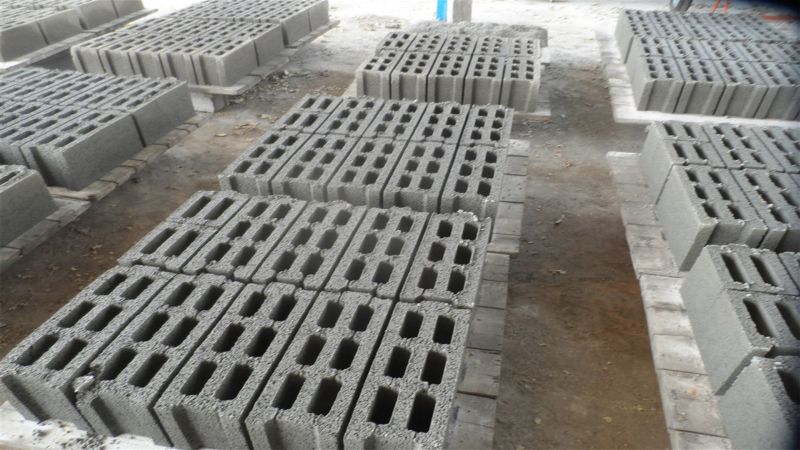
Hollow blocks are the most widely used blocks for building houses and fence walls. They are lighter, economical, and easy to install.
Hollow block prices depend on thickness, cement content, and curing quality. Standard hollow blocks are cheaper than solid blocks and are ideal for residential buildings, partition walls, and perimeter fencing.
Read also: Find Quality Blocks for Building and Construction in Gha
Solid Blocks Price in Ghana
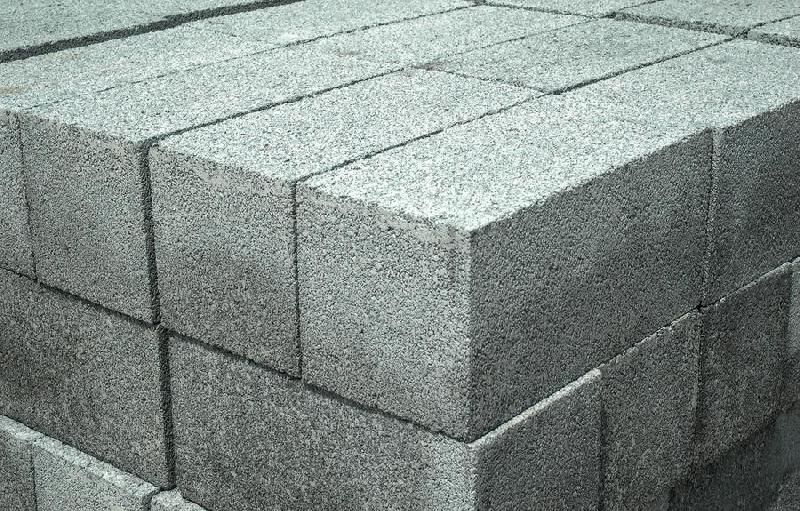
Solid blocks are heavier and stronger than hollow blocks. They are commonly used in foundations, load-bearing areas, and structures requiring extra strength.
Because they use more cement and aggregates, the price of solid blocks in Ghana is usually higher than hollow blocks. Builders often choose them for structural stability and long-term durability.
Interlocking Blocks Price in Ghana
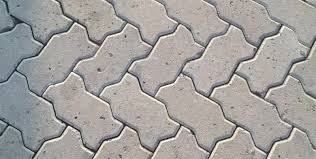
Interlocking blocks are gaining popularity in Ghana due to their efficiency and modern construction benefits. These blocks fit together neatly, reducing the need for excess mortar and speeding up construction.
The price of interlocking blocks in Ghana is generally higher per piece compared to hollow blocks, but they help reduce overall construction costs through lower cement usage, faster building time, and cleaner finishes.
Pavement Blocks Price in Ghana
Pavement blocks are mainly used for outdoor areas such as driveways, walkways, compounds, car parks, and commercial spaces. They are available in different shapes, colours, and thicknesses.
Pavement block prices in Ghana depend on design, thickness, strength, and finishing. Decorative and heavy-duty pavement blocks usually cost more than basic designs.
Common Block Sizes Used in Ghana
Block sizes directly affect pricing. Larger and thicker blocks cost more due to increased material usage.
Common block sizes in Ghana include standard hollow block sizes for walling, thicker blocks for fence walls, and specialised sizes for interlocking and pavement applications. Always confirm block dimensions before purchasing to ensure compatibility with your building plan.
Factors That Affect the Price of Blocks in Ghana
Several key factors influence block prices across the country.
Cement Price Fluctuations
Cement is the main ingredient in block production. Any increase in cement prices directly raises the cost of blocks. This is one of the biggest reasons block prices change frequently in Ghana.
Quality of Materials Used
Blocks made with higher cement content, clean aggregates, and proper curing are stronger and more durable. These blocks usually cost more but provide better value over time.
Production Method
Machine-moulded blocks are more uniform, stronger, and professionally finished compared to manually produced blocks. As a result, machine-made blocks often cost more.
Location and Transportation
Block prices may be lower near production sites and higher in areas that require long-distance transportation. Delivery costs also affect the final price paid by buyers.
Quantity Ordered
Buying blocks in bulk usually attracts discounts. Contractors and developers purchasing thousands of blocks often enjoy better pricing compared to small retail buyers.
How to Identify Quality Blocks Before Buying
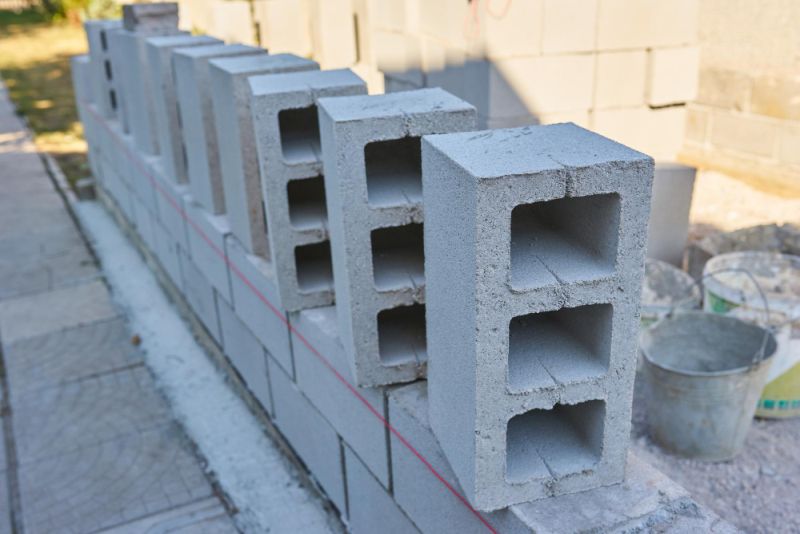
Price alone should not be the only deciding factor. Poor-quality blocks can lead to cracks, weak walls, and expensive repairs later.
When buying blocks in Ghana, check for uniform size, sharp edges, proper curing, and solid strength. Quality blocks should not crumble easily and should feel firm when handled.
How Many Blocks Do You Need for Your Project?
The number of blocks required depends on the size of your building, wall height, and layout. Builders often calculate block quantities based on square metres of wall area.
It is advisable to consult a professional builder or block supplier to estimate accurately and avoid under-buying or excessive waste.
Is It Cheaper to Buy Blocks or Mould Them Yourself?
Some builders consider moulding blocks on-site to reduce costs. While this may appear cheaper, it often comes with quality risks if materials and curing are not properly managed.
Buying professionally produced blocks ensures consistent quality, strength, and faster construction, which often saves money in the long run.
Tips for Saving Money When Buying Blocks in Ghana
Plan your purchase early to avoid last-minute price hikes. Compare prices from trusted suppliers, buy in bulk where possible, and prioritise quality over extremely cheap options. Choosing the right block type for each part of your project also prevents unnecessary overspending.
Final Thoughts on the Price of Blocks in Ghana
The price of blocks in Ghana depends on type, size, quality, location, and market conditions. Hollow blocks, solid blocks, interlocking blocks, and pavement blocks all serve different purposes and are priced accordingly.
For successful construction, always balance cost with quality. Choosing durable blocks from reliable suppliers helps ensure your building remains strong, safe, and long-lasting.
If you are planning a construction project and need guidance on block types, prices, or bulk supply, working with a trusted block supplier can make all the difference.