
A culvert is a critical civil engineering structure used to allow water to flow underneath roads, railways, driveways, embankments, and other constructed barriers.
Need culverts? Call or WhatsApp us now: 0243174009
In Ghana, culverts are widely used in road construction, drainage systems, housing estates, agricultural lands, and flood control projects. Understanding what a culvert is, how it works, and why it is important helps contractors, developers, and property owners make better infrastructure decisions.
What Is a Culvert?
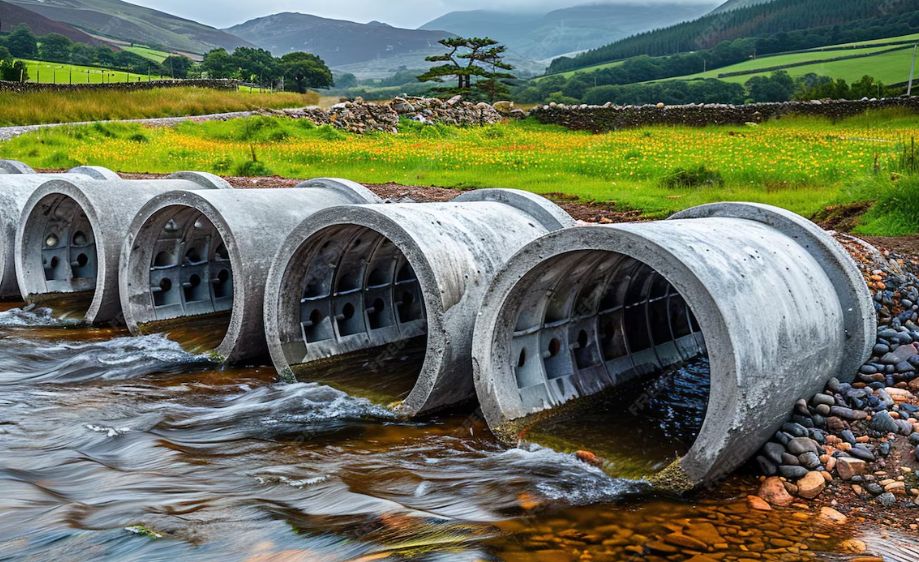
A culvert is a tunnel-like structure, usually made of concrete, steel, or plastic, designed to convey water from one side of an obstruction to the other. The obstruction may be a road, access route, railway line, or embankment. Instead of allowing water to flow over the surface and cause erosion or flooding, the culvert channels the water safely underneath.
In Ghana, the most commonly used culverts are precast concrete culverts due to their strength, durability, and ability to withstand heavy traffic loads and harsh weather conditions.
Why Culverts Are Important in Ghana
Culverts play a vital role in Ghana’s infrastructure development. With seasonal heavy rainfall and expanding road networks, effective water management is essential. Culverts help prevent flooding, protect roads from washouts, reduce erosion, and maintain access routes during rainy seasons.
Without properly sized and installed culverts, roads can collapse, farmlands can flood, and buildings can suffer foundation damage. This makes culverts an essential component of both urban and rural development projects.
Read also: Best Culvert Price in Ghana: Types, Sizes & Buying Guide!
How a Culvert Works
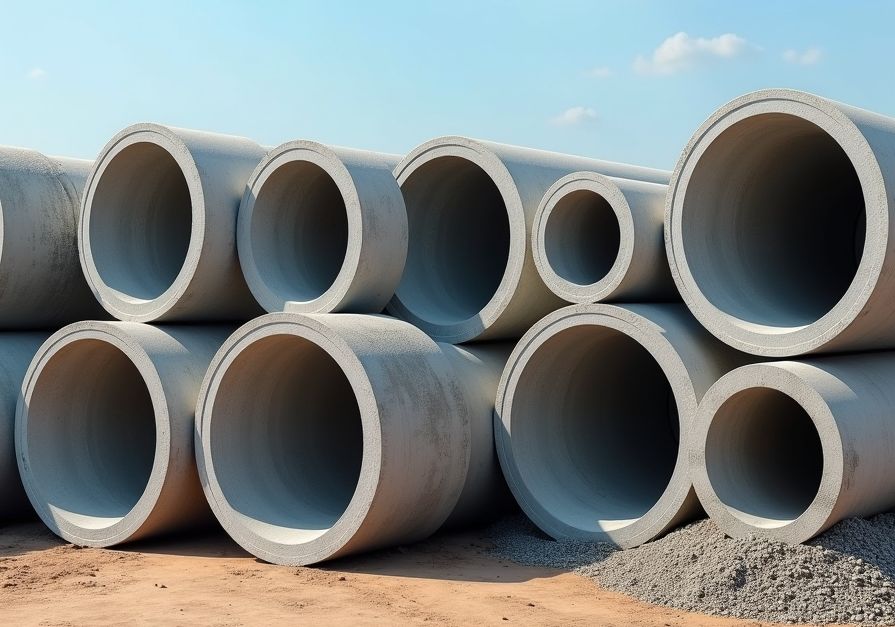
A culvert works by collecting surface runoff or stream water at the inlet and directing it through a pipe or box structure to the outlet. The water then exits safely without damaging the road or surrounding land. Proper slope, alignment, and size ensure that water flows efficiently through the culvert.
A well-functioning culvert system reduces water pressure on roads and embankments, improves drainage efficiency, and extends the lifespan of infrastructure.
Common Types of Culverts
There are several types of culverts used in construction projects, depending on water volume, soil conditions, and load requirements.
Pipe culverts are circular in shape and commonly used for road drainage and small to medium water flows. Concrete pipe culverts are especially popular in Ghana because they are strong and long-lasting.
Box culverts are rectangular and used where large volumes of water need to pass through. They are common in highways, urban drainage systems, and flood-prone areas.
Arch culverts have a curved top and are designed to allow water flow while preserving a natural stream bed. They are suitable for environmentally sensitive areas.
Slab culverts consist of a flat slab supported by walls or abutments and are used where headroom is limited.
Materials Used for Culverts
Culverts can be made from different materials, but concrete remains the most preferred option in Ghana.
Concrete culverts offer high load-bearing capacity, resistance to corrosion, and a long service life. Precast concrete culverts are manufactured under controlled conditions, ensuring consistent quality and compliance with standards.
Steel culverts may be used for temporary works but are susceptible to corrosion in wet environments.
Plastic or HDPE culverts are lightweight and suitable for small drainage applications but are not ideal for heavy traffic or major infrastructure projects.
Where Culverts Are Commonly Used
Culverts are used in a wide range of applications across Ghana. They are found under roads and highways to allow stormwater and streams to pass through. Housing estates use culverts for internal drainage systems. Farms and rural roads rely on culverts to maintain access during rainy seasons. Industrial and commercial developments use culverts for effective site drainage.
In all these cases, selecting the right culvert size and type is essential for performance and safety.
Culvert Size and Design Considerations
Choosing the correct culvert size depends on expected water flow, rainfall intensity, catchment area, soil type, and traffic load. An undersized culvert can cause flooding, while an oversized one may increase project costs unnecessarily.
Engineers often rely on standard concrete culvert dimensions that meet Ghana Standards Authority requirements to ensure safety and durability.
Difference Between Culverts and Bridges
Although culverts and bridges both allow passage over water, they are not the same. Culverts are generally shorter structures designed for water flow, while bridges are larger structures that span longer distances and support significant loads. Culverts are more cost-effective for small to medium water crossings and drainage applications.
Maintenance of Culverts
Even well-designed culverts require regular inspection and maintenance. Debris, silt, and vegetation can block water flow, leading to flooding. Periodic cleaning and inspection help maintain performance and extend the life of the culvert.
Final Thoughts: What Is a Culvert and Why It Matters
A culvert is more than just a concrete pipe; it is a vital infrastructure component that protects roads, properties, and lives. In Ghana’s climate, proper culvert selection, design, and installation are essential for sustainable development. Using quality concrete culverts and working with experienced suppliers ensures reliable drainage and long-term performance.
For culvert dimensions, applications, and current pricing in Ghana, always consult trusted precast concrete manufacturers with proven experience like us.