
These common roofing problems are among the most common building challenges faced by homeowners and property developers in Ghana.
From heavy rainfall and intense heat to strong winds and coastal salt air, roofs in Ghana are constantly exposed to harsh conditions.
When roofing materials are poorly selected, incorrectly installed, or not maintained, problems such as leakages, rust, noise, and sheet damage quickly appear.
Understanding these roofing problems and knowing the right solutions can help you protect your home, reduce repair costs, and extend the lifespan of your roof.
This guide explains the most common roofing problems in Ghana, why they occur, and practical solutions that actually work.
Common Roofing Problems
1. Roof Leakages
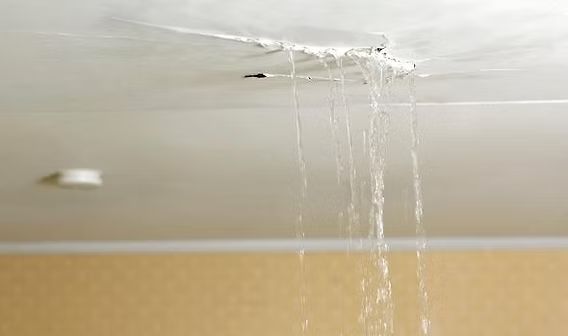
Roof leakages are the most reported roofing problem in Ghana, especially during the rainy season. Leaks can damage ceilings, walls, furniture, and electrical wiring, and if ignored, may weaken the entire building structure.
Common causes of roof leakages include:
• Poorly fixed roofing nails or screws
• Worn-out or missing rubber washers
• Incorrect sheet overlap during installation
• Damaged ridge caps and valleys
• Low-quality roofing accessories
Effective solutions:
• Replace nails with quality roofing screws fitted with neoprene washers
• Seal leaking points using roofing-grade sealants
• Correct overlapping errors and realign loose sheets
• Use compatible ridge caps and valley gutters
• Schedule inspections before and after the rainy season
Preventing roof leaks starts with professional installation and regular inspection rather than waiting for water stains to appear.
See also: Roofing Sheets Price in Ghana: Affordable Roofing Services!
2. Rusting and Corrosion of Roofing Sheets
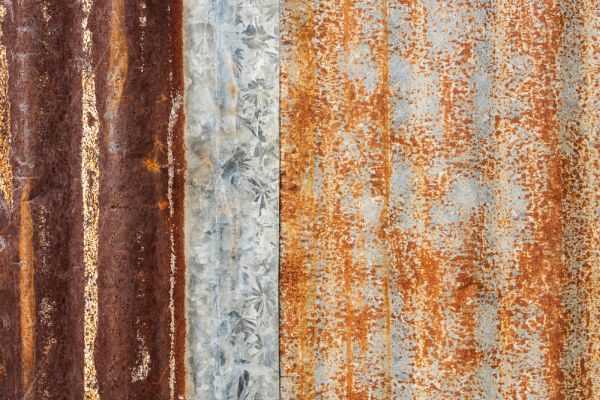
Rust is a major roofing problem in Ghana, particularly in coastal areas such as Cape Coast, Takoradi, Ada, and Tema. Salt air and humidity accelerate corrosion when the wrong roofing material is used.
Why roofs rust quickly:
• Use of low-quality galvanised sheets
• Thin sheet thickness
• Scratched or damaged protective coatings
• Rust-prone nails and fasteners
Best solutions:
• Use aluminium roofing sheets or high-quality aluzinc sheets
• Choose thicker gauges for longer lifespan
• Replace rusted nails with stainless steel fasteners
• Clean roofs periodically to remove salt deposits
Choosing corrosion-resistant materials from the start saves money over time.
3. Roofing Sheets Lifting or Blowing Off
Strong winds during storms can lift or completely blow roofing sheets off buildings, especially in open or coastal locations.
Main causes:
• Insufficient fasteners
• Poor spacing of nails or screws
• Lightweight sheets without reinforcement
• Weak roof trusses
Solutions that work:
• Increase fastener density at edges and corners
• Use thicker roofing sheets
• Strengthen timber or steel trusses
• Install wind-resistant profiles such as long-span sheets
Proper fastening is more important than sheet type when it comes to wind resistance.
4. Excessive Noise During Rainfall
Many homeowners complain about loud noise during rainfall, especially with metal roofing sheets.
Common reasons:
• No insulation under the roofing sheets
• Loose sheets vibrating during rain
• Thin roofing materials
Noise-reduction solutions:
• Install insulation or ceiling boards
• Use thicker roofing sheets
• Tighten loose fasteners
• Choose stone-coated or step-tile long-span sheets
Noise control improves comfort and property value.
5. Heat Build-Up Inside the Building
High indoor temperatures are a frequent complaint, especially in metal-roofed buildings.
What causes excessive heat:
• Heat absorption by metal sheets
• Lack of ventilation
• Dark roofing colours
How to reduce heat:
• Use reflective or light-coloured roofing sheets
• Install roof insulation
• Provide proper ventilation at the eaves and ridges
• Choose stone-coated or aluminium roofing sheets
Good roofing design improves indoor comfort and reduces electricity costs.
6. Sagging or Weak Roof Structure
A sagging roof is a serious structural issue that should never be ignored.
Common causes:
• Undersized timber or steel trusses
• Poor construction workmanship
• Overloading from heavy roofing materials
Recommended solutions:
• Reinforce or replace weak trusses
• Use roofing materials suited to the structure
• Consult a structural professional for major repairs
Early intervention prevents roof collapse.
7. Fading and Peeling of Roofing Sheets
Over time, some roofing sheets lose their colour or peel, affecting the appearance of the building.
Why it happens:
• Low-quality paint coating
• Prolonged UV exposure
• Cheap roofing brands
Solutions:
• Buy roofing sheets with UV-resistant coatings
• Choose reputable brands
• Avoid harsh cleaning chemicals
A good finish keeps your roof looking new for years.
How to Prevent Roofing Problems in Ghana
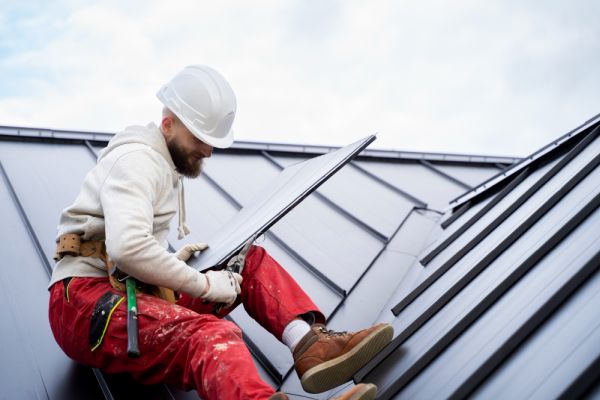
Preventive measures are cheaper and more effective than repairs.
Best preventive practices include:
• Using quality roofing materials
• Hiring experienced roofing contractors
• Conducting routine roof inspections
• Cleaning gutters and roof surfaces
• Fixing small issues before they worsen
Roofing Maintenance Checklist for Homes in Ghana
Regular roof maintenance helps prevent leaks, rust, and costly repairs. This checklist on common roofing problems is suitable for aluminium, aluzinc, corrugated, long-span, and stone-coated roofing commonly used in Ghana.
Monthly or Bi-Monthly Checks
• Visually inspect your roof from the ground for missing, loose, or lifted sheets
• Check for unusual noises during rainfall or strong winds
• Ensure no tree branches are touching or scraping the roof
Before the Rainy Season
• Inspect all roofing nails or screws to ensure they are tight
• Check rubber washers for cracks, hardening, or missing pieces
• Inspect ridge caps, flashings, and valleys for gaps or damage
• Clear gutters and downpipes to prevent water backup
• Look for early signs of rust or coating damage
After Heavy Rains or Storms
• Check ceilings and walls for water stains or damp patches
• Inspect roof edges and corners where wind damage usually starts
• Confirm no sheets have shifted or lifted
• Ensure gutters are still properly aligned and draining well
Coastal Area Maintenance (Extra Important)
• Rinse roofing sheets lightly with clean water to remove salt buildup
• Inspect fasteners for rust more frequently
• Replace any rusted screws with stainless steel fasteners
• Pay close attention to sheet edges and overlaps
Annual Professional Inspection
• Hire a qualified roofing technician once a year
• Check trusses for sagging or weakness
• Assess insulation and ventilation performance
• Repair minor issues before they become major problems
Consistent maintenance can extend your roof’s lifespan by 10–20 years and protect your investment.
Roofing Maintenance FAQs (Ghana Focused)
Let’s find some frequently asked questions in relation to common roofing problems:
1. How often should I inspect my roof in Ghana?
You should inspect your roof at least twice a year and after heavy storms. Coastal homes may require more frequent checks.
2. What is the most common cause of roof leaks?
The most common causes are damaged rubber washers, loose nails or screws, and poor installation rather than faulty roofing sheets.
3. Can rusted roofing sheets be repaired or must they be replaced?
Minor surface rust can be treated and repainted, but severely rusted sheets should be replaced to avoid leaks and structural damage.
4. Is roof maintenance really necessary for new roofs?
Yes. Even new roofs need maintenance to catch early installation issues, tighten fasteners, and prevent long-term problems.67777
Final Thoughts on Common Roofing Problems in Ghana
Roofing problems in Ghana are often the result of poor material choices, incorrect installation, or lack of maintenance.
By understanding common roofing issues and applying the right solutions early, homeowners can avoid costly repairs and extend the lifespan of their roofs.
Whether you are building a new home or maintaining an existing one, investing in quality roofing materials, skilled installers, and regular inspections will protect your property and ensure peace of mind.